




Debt help programs have been a total game-changer for me, seriously – like, I’m sitting here in my tiny apartment in Chicago right now, staring at the snow piling up outside my window in January 2026, sipping this burnt coffee from the pot I forgot about this morning, and thinking back to how buried I was just a couple years ago. I racked up over $35,000 in credit card debt, mostly from stupid stuff like takeout during the pandemic and that one impulse buy of a fancy grill I never even used because, hello, Midwest winters. Anyway, debt help programs pulled me out, but not without some major screw-ups on my end. I tried a few, made mistakes, cried over my credit score – yeah, embarrassing, but whatever, this is my flawed take as a regular American dude trying to adult.
I’ve gotta be real: picking the right debt help program depends on how deep in the hole you are, your credit situation, and honestly, how much BS you’re willing to deal with. I’ve been through the stress headaches – that tight chest feeling when the phone rings and it’s another collector. Let’s break down the main debt help programs I’ve either used or researched the hell out of, with my unfiltered thoughts.
My Messy Journey with Debt Help Programs: What I Learned the Hard Way
Look, when I first googled debt help programs, I was panicking in my pajamas at 2 a.m., surrounded by unopened mail on the living room floor. The envelopes were piling up like a bad metaphor for my life. I ignored them for months – total avoidance mode – until one day my card got declined at the grocery store for basics like milk and ramen. Humiliating. That’s when I realized I needed actual debt help programs, not just “budget better” apps that made me feel worse.
I started with what seemed easiest, but yeah, I bounced around because nothing’s perfect. Debt help programs aren’t a magic fix; they’re tools, and I misused a couple before finding what kinda worked.
Debt Consolidation as a Debt Help Program: My First Attempt That Kinda Worked
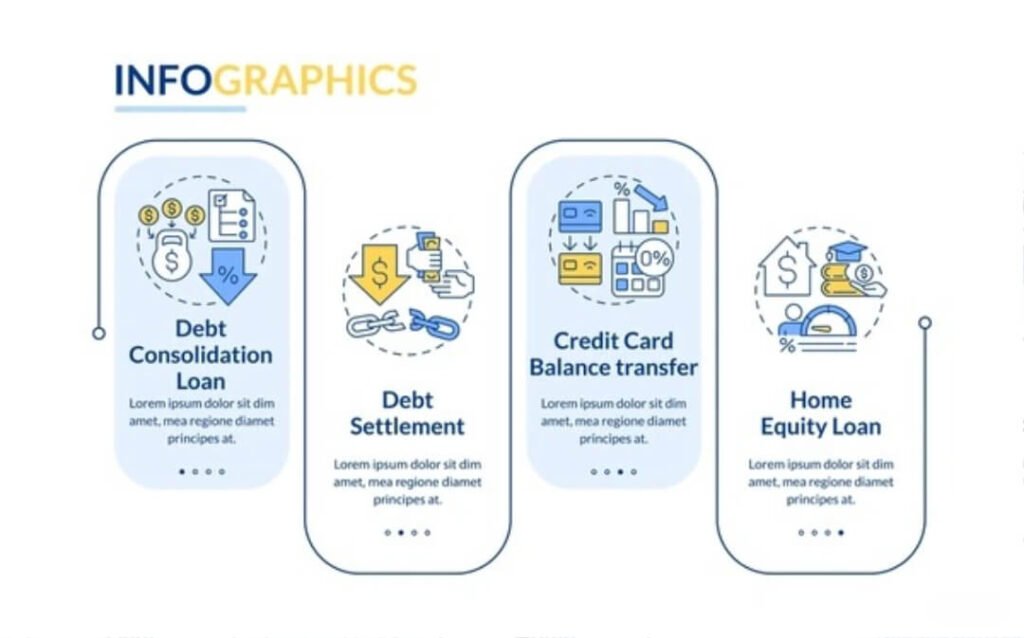
Debt consolidation was my intro to debt help programs – basically rolling all your debts into one loan with hopefully lower interest. I went for a personal loan through one of those online lenders because my credit was still okay-ish back then.
Pros I loved: One payment instead of juggling ten. My monthly headache went down, and I could breathe a bit. Interest dropped from like 24% on cards to around 12% – huge win.
But cons? I had to qualify, which meant decent credit, and there was an origination fee that stung. Also, digression: I almost messed it up by charging new stuff on the paid-off cards. Classic me. If you’re disciplined (unlike past me), this debt help program rocks for simplifying things.
For more on how it stacks up, check out this comparison from NerdWallet.
Debt Management Plans: The Steady Debt Help Program I Wish I’d Tried Sooner
Next, I looked into debt management plans through a nonprofit credit counseling agency. This is where they negotiate lower rates with your creditors and set up one monthly payment.
This debt help program was gentler on my credit than others – no big dings like settlement. They waived some fees, dropped rates to like 7-8%, and I paid full principal over 3-5 years.
Downside: Accounts get closed, so no more swiping, which forced me to budget for real (good thing, tbh). Fees were low, like $25-50/month. I learned this late, after some damage – my bad for not calling a counselor sooner. Sites like Money Management International explain it well.
Debt Settlement: The Risky Debt Help Program I Flirted With (And Regretted)
Okay, confession time: I dipped into debt settlement because I was desperate and saw ads promising “pay pennies on the dollar.” You stop paying creditors, save up, and they negotiate settlements for less.
It sounded dope, but reality? My credit tanked – like 100+ points drop. Collectors blew up my phone, one even sued (settled eventually, but stress city). Tax hit on forgiven amounts too.
Pros if you’re already behind: Potentially huge reduction, faster than paying full. But for me, it felt chaotic, contradictory to my “just pay it off” guilt. Only do this debt help program if bankruptcy’s looming. Forbes has solid pros/cons here.
When Bankruptcy Becomes the Nuclear Debt Help Program Option
I avoided this, thank god, but talked to folks who went Chapter 7 or 13. Wipes out or restructures debt, stops collections immediately.
Relief is massive, but credit wrecked for 7-10 years. Last resort – better than drowning, though. Experian breaks it down.
Which Debt Help Program Is Right for You? My Flawed Advice
Honestly, start with free counseling – nonprofits like NFCC agencies assess your mess without judgment. For me, mixing consolidation and management vibes worked best. Track progress, celebrate small wins (I treated myself to cheap tacos when I hit milestones).
Debt help programs aren’t one-size; test what fits your chaos. I still slip up – bought dumb stuff last Black Friday – but I’m way better.
Anyway, if you’re staring at bills like I was, reach out to a credit counselor today. Seriously, it’ll feel less lonely. What’s your debt story? Drop a comment – no judgment here.
